
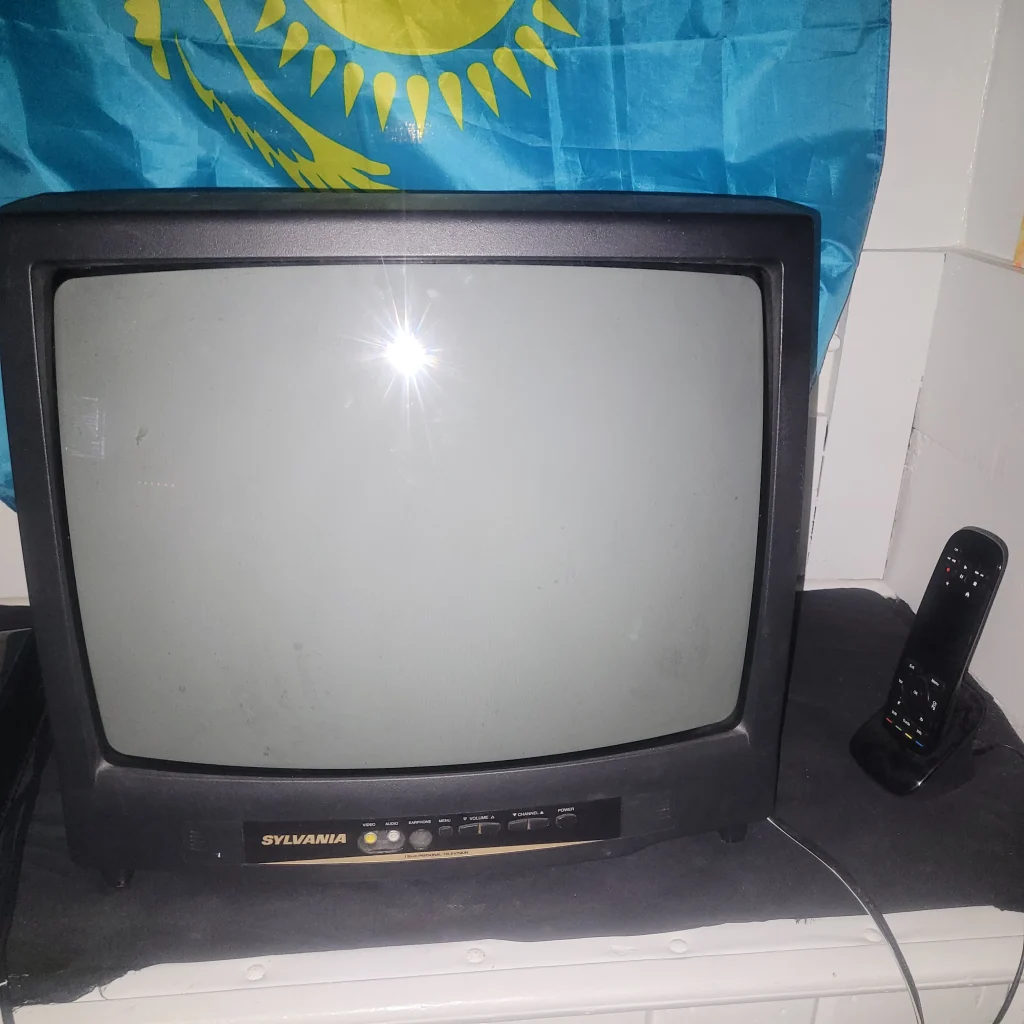
CRT sets have real advantages over flat panels for retro gaming and certain video sources — no input lag, no scaling artifacts. But a CRT that’s been sitting in a garage for a decade can also be a genuine hazard. Here’s how to buy smart.
What to Look For
- Picture powers on evenly, no burn-in or geometry distortion
- Ask if it’s been recapped — aging capacitors are the most common failure point
- Input compatibility: composite, S-Video, or component matters for what you’ll connect
- No visible screen burn or persistent ghosting
- Weight and size fit realistically through your doorways
Our Pick: A Mid-Size Trinitron-Style CRT
A 20–27 inch aperture-grille CRT hits the balance of picture quality and manageable size. These sets produce noticeably sharper, more vivid images than shadow-mask CRTs of the same era, and remain in high demand for retro console setups.
THE VERDICT
- Screen Type: Aperture-grille (Trinitron-style)
- Size: 20–27 inches
- Inputs: Composite, S-Video, component
- Condition: No burn-in, powers on cleanly
Best for: retro console gaming and DVD-era home theater setups.
Pros & Cons
Pros
- Zero input lag — ideal for retro consoles
- Richer color and contrast than shadow-mask CRTs
- Still relatively affordable compared to high-end restored units
Cons
- Heavy — plan for two people to move anything over 25 inches
- Aging capacitors can fail without warning; a recap adds cost
Never buy a CRT sight-unseen without confirming it powers on in the listing photos or video — shipping damage and dead flyback transformers are both real risks with these sets.