
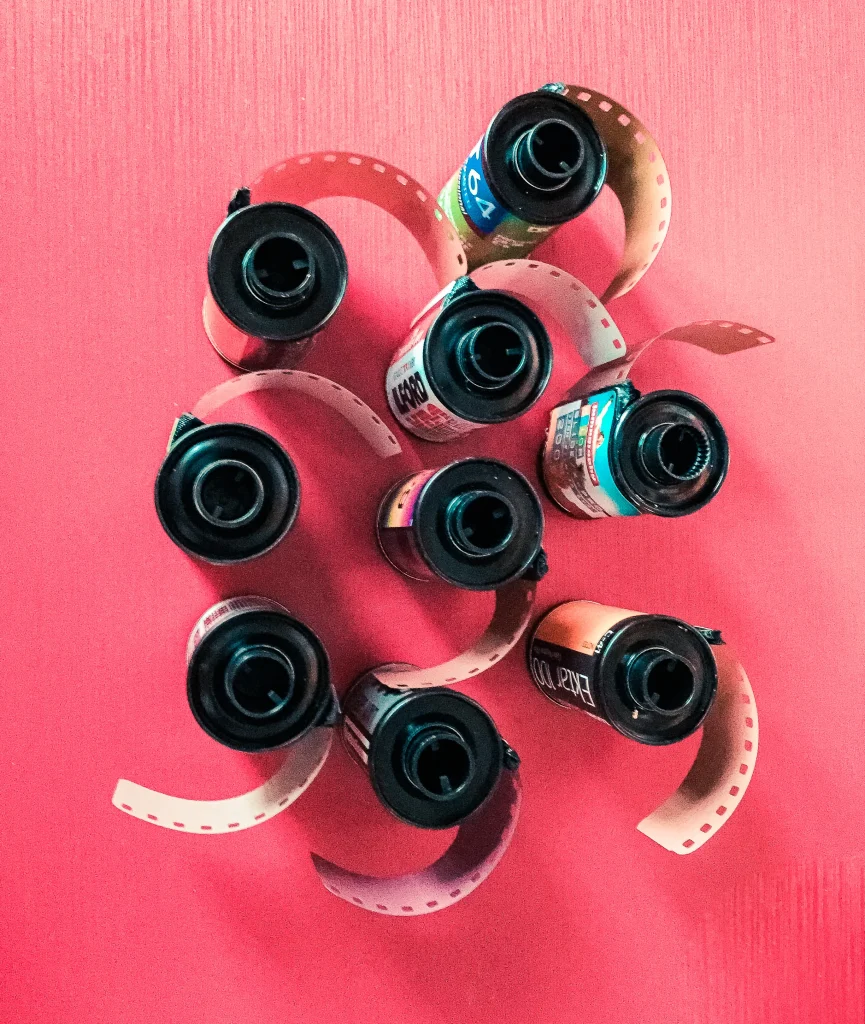
Shooting film is only half the equation — the film stock and chemicals you buy determine whether your shots come out looking intentional or just foggy and faded. Age and storage matter more than almost anything else here.
What to Look For
- Expiration date — film shot well past expiry gets grainy and color-shifted
- Whether it was kept refrigerated or frozen, especially past its date
- ISO / film speed matches what your camera and lighting actually need
- Chemicals are still sealed, with no cloudiness or crystallization
- Canisters aren’t dented or show signs of light leaks
Our Pick: Cold-Stored Film Within a Few Years of Expiry
Film that’s been refrigerated or frozen since new ages far more gracefully than anything left in a drawer. A roll a year or two past its date, kept cold the whole time, will usually still deliver clean, predictable results — just meter a stop over to compensate for the age.
THE VERDICT
- Storage: Refrigerated or frozen
- Expiry: Within 1–2 years past date
- Seal: Factory-sealed canister
- Speed: Matched to your shooting conditions
Best for: film shooters who want predictable results without paying a premium for fresh stock.
Pros & Cons
Pros
- Cold-stored expired film is usually much cheaper than fresh
- Slight age can add a pleasant, filmic color shift some shooters like
- Sealed chemicals keep indefinitely if stored cool and dark
Cons
- Room-temperature-stored expired film is a genuine gamble
- Opened chemical kits degrade fast once exposed to air
Always ask the seller directly how the film was stored — “kept in the fridge since new” and “found in a drawer” are two very different rolls, even with the same date on the box.