
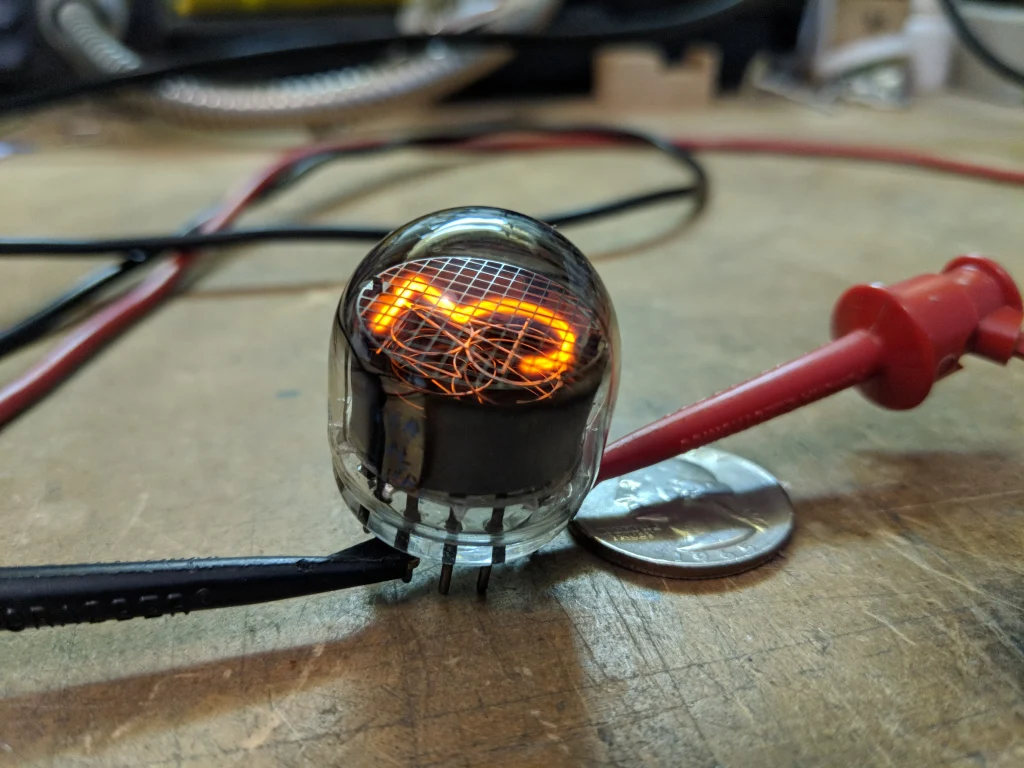
A nixie tube clock is one of the most striking pieces of retro tech you can put on a desk — but the tubes themselves are discontinued, and the high-voltage electronics inside are unlike anything else you’ll own. Buy carefully.
What to Look For
- Tube wear — look for even glow with no dark, “poisoned” cathodes
- Whether it uses a modern driver board or original (often unreliable) electronics
- Power supply is properly isolated — nixie tubes run at 150–180 volts
- All digits actually light evenly when tested, not just powered on
- For flip clocks: mechanism advances smoothly with no sticking cards
Our Pick: A Professionally Restored Clock with a Modern Driver
Look for a clock that’s been rebuilt with a modern microcontroller driver board rather than relying on 50-year-old original electronics. It’s a safer, more reliable way to enjoy the tubes without gambling on failing components you can’t easily source.
THE VERDICT
- Tubes: Even glow, no dark cathodes
- Driver: Modern replacement board
- Power Supply: Isolated, properly rated
- Tested: All digits confirmed lit
Best for: desk display pieces you’ll actually run daily, not just admire once and unplug.
Pros & Cons
Pros
- Genuinely striking, unlike any modern digital display
- Modern driver boards are far more reliable than 1970s originals
- Flip clocks need no electronics at all — just a motor and gears
Cons
- Nixie tubes are discontinued — a broken tube can be hard to replace
- High-voltage internals mean this isn’t a beginner DIY repair
Ask for a video of the clock running for a few minutes before you buy — it’s the only real way to confirm every tube stays lit and none are flickering.