
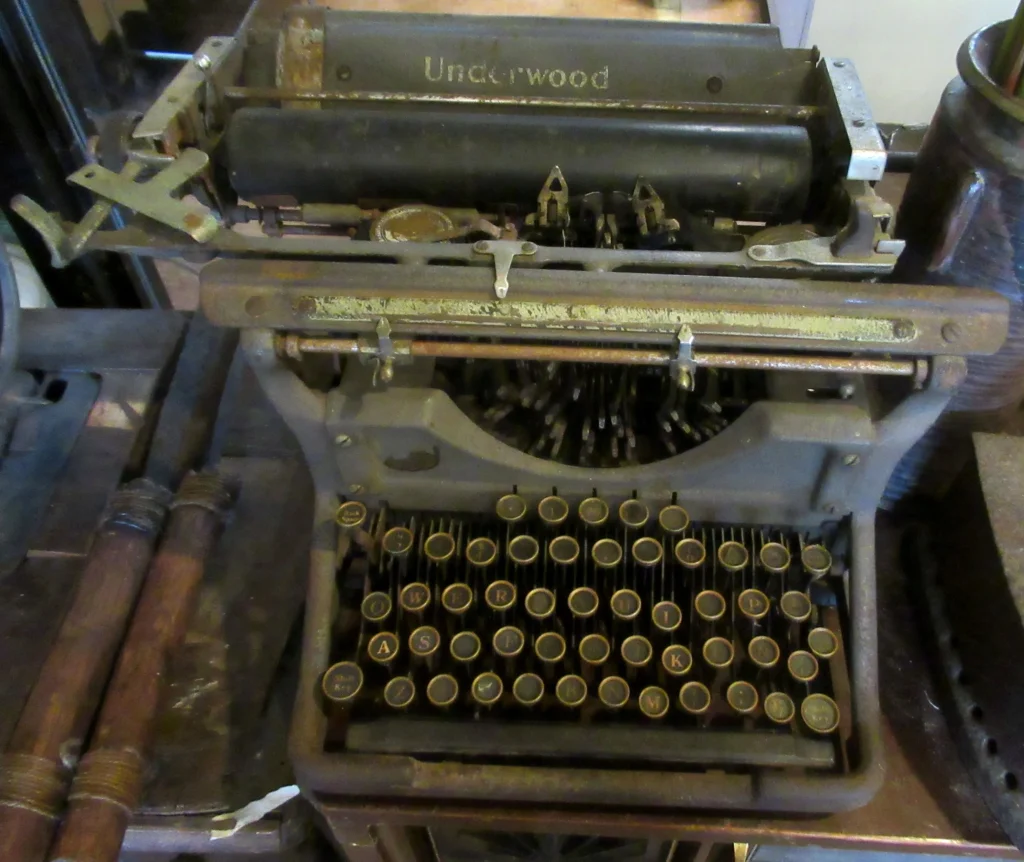
A good vintage typewriter can outlast a laptop many times over, but a bad one is a frustrating paperweight. The mechanism type and ribbon availability matter far more than the brand name embossed on the front.
What to Look For
- Segment shift vs. basket shift — segment shift (only the letter arm moves) types faster and lighter
- Ribbon size and availability — avoid obscure proprietary cartridges
- All keys strike evenly with consistent pressure
- Carriage moves smoothly across its full width
- Platen (rubber roller) isn’t hardened or cracked
Our Pick: A 1960s Segment-Shift Portable
A well-maintained 1960s segment-shift portable typewriter remains the best starting point: light enough to type on for long stretches, standard universal ribbon spools, and simple enough mechanically that a home cleaning restores most units to full working order.
THE VERDICT
- Shift Type: Segment shift
- Ribbon: Standard universal spools
- Platen: Still pliable, not hardened
- Weight: Portable, under 12 lbs
Best for: first-time typewriter buyers who plan to actually type on it regularly.
Pros & Cons
Pros
- No power required, no battery to die
- Standard ribbons are cheap and easy to find
- Genuinely repairable with basic tools
Cons
- No correction key — typos are permanent on the page
- Hardened platens need professional re-covering, which isn’t cheap
Skip anything advertised as “decorative only” or “for display” unless that’s genuinely all you want — it usually means the seller already knows the mechanism doesn’t work.